Source Recyclable Ceramic Coffee Mug for Daily Use, Gifts, and Promotions
Find and compare 30 recyclable ceramic coffee mug options from verified Chinese manufacturers. Evaluate features like heat preservation, custom logos, and eco-friendly glaze to select the best fit for daily use, corporate gifts, and promotional campaigns.
Key considerations
Products List




Comprehensive Sourcing Guide
Recyclable Ceramic Coffee Mug Sourcing Guide
Sourcing recyclable ceramic coffee mugs requires a nuanced understanding of material science, manufacturing capabilities, and commercial logistics. While the term "recyclable" often implies end-of-life circularity, in the context of ceramic tableware, it frequently intersects with durability, reusability, and the use of eco-friendly glazes or production processes. Buyers must distinguish between mugs designed for single-use promotion and those built for daily use, as the structural integrity and customization options vary significantly. The observed market signals indicate a strong emphasis on customization, with suppliers offering tailored shapes, colors, and logos to meet specific brand identity needs. This guide provides a structured approach to evaluating suppliers, verifying technical specifications, and ensuring compliance with safety standards for ceramic mugs.
The procurement landscape for ceramic mugs is characterized by a wide range of product attributes, from simple single-layer designs to complex, hand-painted, color-changing variants. Buyers should focus on verifying the specific material composition, such as porcelain or standard ceramic, and the associated technical processes like glazing or hand-painting. These factors directly influence the mug’s thermal resistance, aesthetic appeal, and suitability for various applications, including promotional events, daily office use, and gift-giving occasions. By aligning product specifications with intended use cases, buyers can optimize cost-efficiency and ensure that the final product meets both functional and branding requirements.
Product Scope and Observed Listing Signals
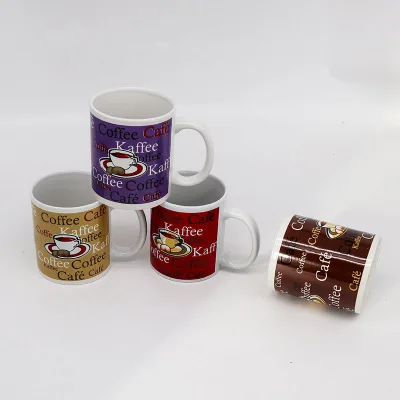
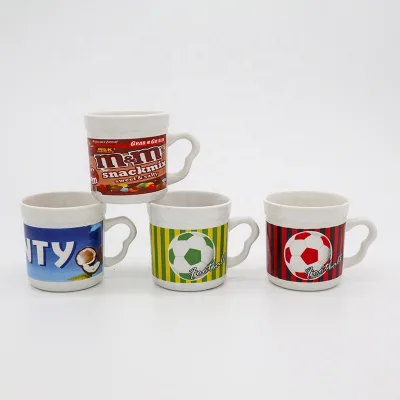
The current market for ceramic coffee mugs exhibits a diverse range of product types, primarily categorized as mugs with handles, stackable designs, and creative styles. Observed listings highlight specific models such as the PPE809, which features a single-layer ceramic structure and withstands high temperatures, making it suitable for hot beverages. Another notable variant is the ceramic mug with color-changing properties, which adds a dynamic visual element for promotional purposes. These products are often described with attributes like "eco-friendly," "simple style," or "creative design," indicating that buyers can select from a spectrum of aesthetic and functional options. The presence of customized logo acceptance and support for custom colors further expands the scope, allowing brands to create unique, branded merchandise.
Packaging and shipping configurations are critical components of the product scope, as they impact both protection and logistics costs. Standard packing methods include individual boxes, gift boxes, and export cartons, with common quantities such as 1 piece per box or 4 pieces per gift box, and 48 pieces per carton. Some suppliers offer standard export carton packing, while others provide more premium gift box options, which may be necessary for high-end promotional gifts or wedding favors. The observed dimensions and weights, such as a height of 9.5 cm and a weight of 295 g for certain models, provide baseline data for calculating shipping volumes and handling requirements. Buyers should carefully review these packaging details to ensure they align with their distribution channels and retail presentation needs.
Technical Specifications to Verify
Verifying technical specifications is essential to ensure that the ceramic mugs meet functional requirements and quality expectations. Key attributes to confirm include the material type, such as porcelain or standard ceramic, and the production techniques, such as glazing or hand-painting. For instance, some mugs are designed to withstand high temperatures, which is crucial for maintaining beverage quality and preventing thermal shock. Others may feature heat preservation properties, enhancing the user experience by keeping drinks warm for longer periods. Buyers should also verify the physical dimensions, including top diameter, bottom diameter, and height, to ensure compatibility with existing storage solutions, packaging, and consumer ergonomics.
Customization options are a significant technical consideration, as they directly impact the final product’s appearance and functionality. Suppliers often support customized shapes, designs, and colors, allowing for unique branding opportunities. However, buyers must clarify the feasibility and cost implications of these customizations, particularly for complex designs or specific color matches. The presence of a lid, as seen in some models with a height of 9 cm including the lid, adds another layer of specification that needs to be verified. Additionally, the inclusion of accessories, such as handles, should be confirmed to ensure the product meets user comfort and safety standards. Clear communication of these technical details with suppliers is vital to avoid discrepancies between ordered and delivered goods.
Compliance and Safety Documentation
Compliance with safety standards is non-negotiable for ceramic tableware, especially when products are intended for food and beverage contact. Buyers must verify that suppliers hold relevant certifications, such as FDA, LFGB, CE/EU, SGS, and CIQ, which attest to the material’s safety and quality. These certifications ensure that the ceramics do not leach harmful substances into beverages and meet international safety regulations. The presence of SGS standards and other regulatory approvals indicates a supplier’s commitment to quality control and compliance. Buyers should request copies of these certificates and verify their validity with the issuing bodies to mitigate risks associated with non-compliant products.
In addition to product-specific certifications, buyers should inquire about the supplier’s adherence to broader quality management standards, such as ISO 9001, although this information may be less explicitly stated in some listings. Understanding the supplier’s quality assurance processes, including testing procedures for lead and cadmium leaching, is crucial for ensuring long-term safety. Buyers should also consider the environmental impact of the production process, given the "eco-friendly" attributes often associated with these products. Verifying the use of non-toxic glazes and sustainable manufacturing practices can enhance the brand’s reputation and align with corporate social responsibility goals. Clear documentation of compliance is essential for customs clearance and market entry in regulated regions.
Cost Drivers and Commercial Terms
Cost drivers for ceramic coffee mugs include material quality, customization complexity, packaging requirements, and order volume. The observed price range of $0.19 to $8 USD reflects significant variation based on these factors. Simple, single-layer mugs with basic glazing are likely at the lower end of the spectrum, while hand-painted, color-changing, or intricately designed mugs command higher prices. Customization, such as unique shapes or specific logo placements, can also increase costs due to additional setup and production time. Buyers should analyze the cost structure in relation to their budget and branding objectives, balancing quality and customization with affordability.
Commercial terms, including minimum order quantities (MOQ) and payment conditions, are critical for procurement planning. The observed MOQ range of 50 to 5000 sets indicates that suppliers cater to both small-scale and large-volume buyers. Higher MOQs, such as 3000 sets for certain models, may offer better unit prices but require greater capital investment and storage capacity. Buyers should negotiate terms that align with their sales forecasts and inventory management capabilities. Additionally, shipping terms, such as the port of origin (e.g., Qingdao or Zibo, Shandong), impact logistics costs and lead times. Understanding these commercial dynamics allows buyers to optimize their procurement strategy and manage cash flow effectively.
Supplier Qualification and Quality Control
Supplier qualification involves assessing the manufacturer’s production capabilities, quality control systems, and track record. Buyers should verify the supplier’s location, such as Zibo or Shangdong, China, which are known hubs for ceramic production. Proximity to these regions can facilitate factory audits and closer collaboration on quality issues. Evaluating the supplier’s ability to handle customization requests, from design to production, is also important. Suppliers with in-house design teams and flexible production lines are better equipped to meet unique branding needs. Buyers should request samples to assess the quality of craftsmanship, glaze finish, and overall durability before committing to large orders.
Quality control measures should be clearly defined and agreed upon with the supplier. This includes pre-production samples, in-process inspections, and final random inspections before shipment. Buyers should specify acceptance criteria for defects, such as cracks, chips, or color inconsistencies, and establish procedures for handling non-conforming products. Regular communication and transparency in the production process help mitigate risks and ensure that the final products meet expectations. Additionally, buyers should consider the supplier’s capacity to scale production and meet deadlines, especially for time-sensitive promotional campaigns. Building a strong relationship with a reliable supplier is key to long-term procurement success.
Long-Term Procurement Checks
Long-term procurement success depends on continuous monitoring of supplier performance and market trends. Buyers should regularly review supplier quality metrics, including defect rates, delivery times, and responsiveness to issues. Establishing key performance indicators (KPIs) and conducting periodic supplier evaluations help maintain high standards and drive continuous improvement. Staying informed about changes in safety regulations, material standards, and consumer preferences ensures that the sourced products remain compliant and relevant. Buyers should also explore opportunities for cost optimization through volume consolidation, alternative materials, or process improvements, without compromising quality.
Sustainability and circularity are increasingly important considerations in long-term procurement strategies. Buyers should assess the recyclability and environmental impact of the ceramic mugs, including the sourcing of raw materials and the end-of-life disposal options. Engaging with suppliers who prioritize eco-friendly practices and transparent supply chains can enhance brand value and meet growing consumer demand for sustainable products. Additionally, buyers should consider the lifecycle cost of the products, including maintenance, replacement, and disposal, to make informed decisions that align with their corporate sustainability goals. By focusing on long-term relationships and sustainable practices, buyers can build a resilient and responsible supply chain.
FAQs
Can I get a customized logo on the ceramic mug?
Yes, customized logos are acceptable for these ceramic mugs. The product supports custom designs and shapes, allowing buyers to tailor the appearance for promotions, gifts, or daily use without requiring minimum stock quantities.
What certifications do these ceramic mugs hold?
These ceramic mugs hold FDA, LFGB, CE/EU, SGS, and CIQ certifications. These standards ensure the porcelain material is safe for food contact and meet international quality requirements for export from China.
How is the ceramic mug packed for export?
The mugs are packed in standard export cartons with 48 pieces per carton. Individual units may come in gift boxes containing four pieces per color, ensuring safe transport and presentation for promotional or retail purposes.
What is the minimum order quantity for these mugs?
The minimum order quantity varies, with observed ranges from 50 to 5000 units depending on the specific supplier. Some listings indicate a specific MOQ of 3000 sets for customized color or design options.
Are these mugs suitable for high-temperature use?
Yes, the ceramic mugs are designed to withstand high temperatures and offer heat preservation functions. They are crafted from porcelain with glaze or hand-painted techniques suitable for daily use and hot beverages.
Can I request a specific size for the ceramic mug?
Yes, buyers can request customized sizes as the product supports any size customization. Standard dimensions include a height of 9.5cm and a top diameter of 8.5cm, but specifications can be tailored to needs.